English
  Français
  Deutsch
  Nederlands
  Français
  English
  English
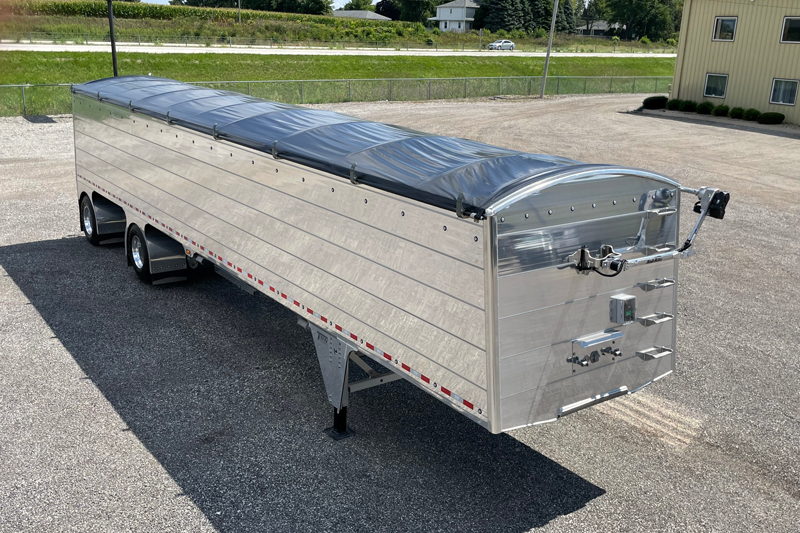
Moving crops, feed, or fertilizer is risky business when the weather turns. A passing shower, heavy dew, or an unexpected storm can undo hours of work if the load is not properly covered. During harvest, when trucks and trailers are running non‑stop, the right agricultural tarps make it easier to protect the load without slowing everything down.
Agricultural tarpaulins built for moisture control help keep grain, seed, and other bulk products covered from field to facility, limiting exposure to rain, wind, and sun. The goal is simple: keep the load as close as possible to the condition it was in when it left the field.
This article walks through the key things to look at when choosing agricultural tarps and tarp systems for secure coverage during hauling.
Choosing the Right Agricultural Tarps for Secure Load Coverage
Not every load is the same. Corn and wheat do not behave like compost or green waste, and tarps should reflect that. When you spec an agricultural tarp, three areas matter most: material, fit, and durability.
Tarp Material for the Right Level of Moisture Protection
Vinyl tarps
Vinyl creates a solid, waterproof barrier, which makes it a common choice for grain, seed, and other moisture‑sensitive loads. These agricultural tarps are thicker than mesh and are built to resist tearing and abrasion, so they hold up well when you need sealed coverage and reliable moisture protection. For loads where keeping water out is critical, it’s worth looking at Roll·Rite’s heavy‑duty vinyl tarp range. The HD Vinyl 18 oz is most common for grain trailers and is available as a custom order via authorized distributors.
Mesh tarps
Some agricultural loads actually benefit from airflow. Fresh produce, mulch, compost, and green waste often need ventilation, so heat and moisture can escape. Mesh tarps allow that air movement while still keeping debris in the trailer. Roll·Rite’s regular and premium mesh tarps use 7.7 oz fabric for everyday jobs, while Super Tough Mesh steps up to 16 oz material for applications that see more abrasion and rough handling.
The Right Size Tarp is Key
Even the best tarp will struggle if it is not sized correctly. A good fit means the tarp can reach the full length and width of the body without leaving open sections at the sides or tailgate.
Your agricultural tarp should be matched to the trailer bed or dump body, taking into account:
Overall body length
Body width
Mounting position of the system
Tailgate style and clearance
Accurate measurements help the tarp sit squarely over the load and prevent uneven strain on the tarp and hardware. If you are unsure how to measure, Roll·Rite’s document library includes step‑by‑step measurement guides for each application. For irregular bodies or unusual applications, you can submit a drawing for a custom order to have the tarp cut to fit.
Durable Tarps for a Longer Hauling Life
Agricultural tarps take a beating. They drag over heaped loads, withstand heavy winds on the highway, and get baked by the sun. As they wear, sagging or torn areas can open up pathways for rain and wind to reach the product.
Choosing well‑constructed agricultural tarps helps reduce those problems. Features such as heat‑sealed edges, reinforced hems, and double‑lock stitching keep the tarp’s shape and help it resist tearing in high‑stress zones.
Investing in quality agricultural tarpaulins usually pays off quickly. For example, Roll·Rite’s HD Vinyl 18 oz is the go-to choice for grain and other agricultural commodities and is available as a custom order through authorized distributors.
Automatic Tarp System: Reliable Protection for Agricultural Loads
During harvest, trucks rarely sit still. They cycle between the field, the elevator, and on‑farm storage, often in changing weather and low‑light conditions. Manual tarping in this environment is not an option. That’s where an automatic tarp system becomes a necessary upgrade.
Automatic tarp systems allow the operator to cover and uncover the load from the cab or ground with a remote or switch. This keeps people off trailer frames, reduces physical strain, and speeds up each load. Over a long harvest, those minutes add up.
Side‑to‑side agricultural tarp systems are a staple on grain trailers because they:
Roll the tarp across the top of the trailer for full coverage
Seal along the sides to help keep grain dry in wet or windy weather
Deploy quickly between loads
For operations that need sealed coverage and tighter control of temperature and moisture, Roll·Rite’s STS Series with Rite·Lock™ is worth a closer look. This side‑to‑side system is available for grain, belly, end, transfer, and side‑dump trailers up to 53 feet. It uses the TarpStretcher® EX motor, designed specifically for side‑roll tarping and equipped with patented brake technology and a rugged housing for impact and corrosion resistance.
On end dumps, belly dumps, and pup trailers up to a 34‑foot body, many haulers rely on the TarpMaster® Series. For dump trucks and silage work, the Super Duty Series offers front‑to‑back tarping engineered for heavy use and demanding field conditions.
All Roll·Rite automatic tarp systems are shipped as pre‑packaged kits with key components pre‑assembled, which helps simplify installation. They are compatible with the full tarp range, so you can pair vinyl tarps for sealed coverage or mesh tarps when breathability is more important.
Invest in High‑Quality Agricultural Tarps for Secure Payload Protection
Protecting the crop after it leaves the field is just as important as getting it harvested on time. High‑quality agricultural tarps and well‑matched automatic tarp systems help keep loads covered, control moisture exposure, and reduce the chance of delays at the elevator or feedlot. When tarp material, fit, and system design all align with the type of trailer and commodity, fleets can move more product with fewer headaches and keep trucks running through those critical harvest windows.
FAQs
How do I stop grain from blowing out near the trailer edges?
Grain loss at the edges usually points to sealing issues or an over‑heaped load. A tarp that is sized correctly and seals along the trailer sides helps cut down on blow‑off in windy conditions or at highway speeds. If the load regularly rides above the side walls, consider adjusting loading practices or checking whether the tarp system can pull the fabric tight enough along the rails.
Why are side‑to‑side tarp systems used on grain trailers?
Side‑to‑side roll tarp systems are popular on grain trailers because they provide full, sealed coverage over the top of the trailer and can be opened or closed quickly during frequent loading cycles. They help keep grain dry in changing weather and are easier to operate consistently than manual tarps when trailers are moving through fields and busy elevator lines.
Why is my tarp tearing near the roller bar or attachment points?
Tears around the roller bar, arms, or attachment hardware usually indicate uneven tension, worn components, or repeated stress in the same area. Over time, that strain weakens the fabric. Reinforced hems, strong webbing, correct sizing, and regular inspection of hardware can reduce stress on those high‑tension zones and extend tarp life.
Consultations for tarp and safety solutions are available through Roll·Rite's Service Centers. You may contact our experts directly for quotes, product information, or help finding your authorized distributor.
ABOUT THE AUTHOR

Gary Viall
Director of Sales, Covering Solutions
Gary Viall has over 26 years of sales experience and is an expert in covering solutions for trailers.